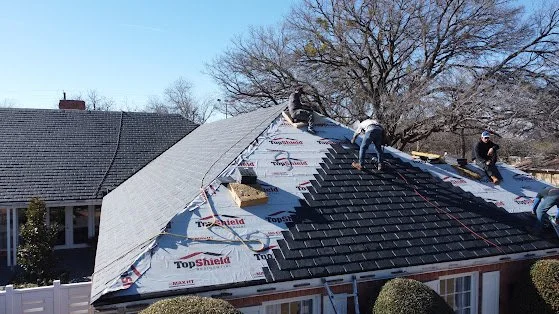
How Roof Repair in West Texas Prevents Bigger Problems
Homeowners in West Texas, Northwest Arkansas, and Northern Louisiana see just about every kind of weather: high winds, hail, intense sun, sudden storms. Over time, those conditions can wear down shingles and flashing in ways that are easy to miss from the ground. Planning timely roof repair can help you fix small issues before they turn into leaks, interior damage, or expensive structural repairs.
Why Roof Repair in West Texas Starts With Regular Inspections
In West Texas, high winds and blowing debris can loosen shingles, crack sealant, and lift flashing around chimneys and vents. From the driveway, the roof may still look “fine,” even when there are small openings where water can get in.
Scheduling periodic inspections with a local roofing contractor and tackling recommended roof repair sooner rather than later helps you catch problems while they are still affordable to fix. That can mean replacing a few damaged shingles instead of dealing with soaked insulation or stained ceilings after the next storm.
Roof Aging in Northwest Arkansas Neighborhoods
Northwest Arkansas sees a mix of sun, rain, and occasional winter weather. As roofs age, granules wash off, shingles become more brittle, and sealants dry out. You might notice more granules in the gutters, a few shingles curling, or small areas that always seem damp after a storm.
A practical step for many homeowners is to pick a recurring time each year to look over the roof from the ground, check the attic for signs of moisture, and then follow up with a professional inspection as needed. When concerns come up, using the home page of a trusted roofing contractor is a simple way to explore repair services and schedule a visit.
How Northern Louisiana Weather Shortens Roof Lifespan
Northern Louisiana often brings heavy rain and humidity, which can accelerate wear on older roofing systems. Persistent moisture can weaken decking and encourage algae or moss in shaded areas. Over the long term, that combination can shorten the life of a roof if minor issues go unaddressed.
Industry guidance from organizations like the National Roofing Contractors Association emphasizes regular maintenance and timely repairs as key parts of roof lifecycle planning. In practice, that means acting on recommendations for roof repair instead of postponing them season after season.
Seasonal Roof Checklist for West Texas, Arkansas, and Louisiana
Homeowners across West Texas, Northwest Arkansas, and Northern Louisiana can benefit from a simple seasonal checklist. During a dry stretch of weather, walk the property and look for:
Missing, cracked, or sliding shingles
Dark streaks, soft spots, or sagging areas
Loose gutters, downspouts, or visible gaps at roof edges
Branches or debris resting on the roof surface
Roof Inspection FAQ
Q: How soon should I schedule an inspection after a major West Texas storm?
A: It’s usually best to schedule an inspection within a week or two of a significant hail or wind event, especially if you notice loose shingles, granules in the gutters, or new water spots on ceilings or walls.
Q: What if I don’t see any obvious roof damage from the ground?
A: Not all damage is easy to spot. Hidden issues around flashing, vents, and roof penetrations are common. If a big storm moved through your area, a professional inspection can confirm whether your roof is still in good shape.
Disclaimer: This article is for general informational purposes only and is not a substitute for a professional on-site roof inspection.

You'll Love These Regional Roofing Tips for Texas Homeowners
Owning a home in Texas means coping with weather that pushes every roof to its limits. From heat that softens asphalt to hail that bruises shingles, conditions vary by region and season. A proactive plan keeps small problems from becoming costly roof repair emergencies.
Know Your Region’s Roof Repair Threats in Texas
Texas is not one climate. West Texas brings high winds and abrasive dust. North Texas sees frequent hail and spring fronts. Gulf Coast communities endure tropical systems and heavy rain. Match your inspection plan to the risks you face most often, and adjust after major storms. A local roofing contractor can help tailor these priorities to your area.
Seasonal Priorities for Roof Repair
Spring is the reset after winter. Check shingles, flashing, and sealant near penetrations. Summer heat can dry caulking and curl edges, so refresh sealant and watch ventilation. Fall is cleanup season. Clear gutters and valleys before the first big rain. In winter, confirm water drains cleanly from low slopes and around chimneys. Would you rather schedule a calm weather check now or scramble during a thunderstorm at midnight?
A Quick Ventilation Stat
Balanced airflow protects shingles and sheathing in extreme heat. Building standards commonly target 1 square foot of net free vent area for every 150 square feet of attic floor area, or 1:300 with balanced intake and exhaust. That helps control heat and moisture that shorten roof life.
Scenario to Learn From
A homeowner in Midland ignored a small stain in the hallway ceiling. Summer dust storms forced grit under lifted shingle edges, and the next rain pushed water along the underlayment. By fall, decking had dark spots and the leak widened. A short spring inspection and a quick roof repair would have prevented ceiling damage and mold cleanup.
When to Call a Roofing Contractor
Some tasks suit homeowners. Others require trained eyes, safe access, and documented repairs. Call a roofing contractor when you see any of the following:
Shingles missing, creased, or granule loss in wide patches
Rusted or loose flashing at walls, skylights, or chimneys
Soft decking underfoot or sagging ridgelines
Persistent attic moisture or darkened sheathing
Stains trailing from nails or fasteners beneath the deck
Gutter and Tree Maintenance
Gutters move water away from vulnerable edges. Clean them at the change of seasons and after storms. Confirm that downspouts discharge several feet from the foundation. Trim branches that scrape shingles or hang over valleys. Light pruning today avoids broken limbs during wind events.
Parts That Fail First in Texas Heat
Sealant at pipe boots and vents dries out faster in direct sun. Ridge caps and south-facing slopes show wear early. Watch these areas after long heat waves. Prompt roof repair in these zones protects the rest of the system and reduces later costs.
What Homeowners Are Saying
“Great company and it shows in the work they do. They did an amazing job and took care of us through the entire process!” – Testimonial from a Peak Roofing & Exteriors customer
Whether it’s storm damage, seasonal upkeep, or long-term planning, a trusted roofing company in Texas understands local codes, insurance needs, and weather patterns. Don’t wait until leaks spread. Schedule an inspection soon to protect your roof from whatever Texas skies bring.